

How to Choose the Right Tile for Replacement or Installation Projects
Selecting the right tile for a replacement or installation project is a critical decision that can significantly impact both the aesthetic appeal and functional performance of your space. Whether you are renovating a kitchen, bathroom, or living area, the tile you choose sets the tone for the overall design while also affecting durability, maintenance, and long-term satisfaction. With countless options available in terms of material, color, texture, and size, making the right choice requires careful consideration of your project goals, lifestyle needs, and design preferences. A well-chosen tile not only elevates the visual appeal but also enhances the functionality and value of your property.
Beyond aesthetics, tile selection has practical implications. Different tile materials respond differently to moisture, temperature fluctuations, foot traffic, and cleaning routines. Understanding the specific requirements of your project and the characteristics of various tile options can help avoid costly mistakes and ensure a long-lasting installation. By approaching the selection process strategically, homeowners, designers, and contractors can achieve a balance between style, performance, and maintenance requirements, resulting in a space that is both beautiful and functional for years to come.
1. Understanding Tile Materials
Ceramic Tiles: Affordable and Versatile
Ceramic tiles are among the most popular choices for both residential and commercial projects due to their affordability and versatility. They are made from natural clay and hardened through high-temperature firing. Ceramic tiles are available in a wide range of colors, patterns, and finishes, making them adaptable to various design styles. They are ideal for low- to medium-traffic areas such as bathrooms and kitchens.
Pros: Affordable, easy to clean, versatile design options.
Cons: Can be brittle and prone to chipping in high-traffic areas.
Porcelain Tiles: Durability Meets Elegance
Porcelain tiles are a type of ceramic tile but with higher density and water resistance. These tiles are suitable for areas exposed to heavy foot traffic or moisture, including bathrooms, kitchens, and even outdoor patios. Porcelain can mimic natural stone, wood, or concrete, offering premium aesthetics without the high cost of natural materials.
Pros: Highly durable, water-resistant, low maintenance.
Cons: More expensive and harder to cut, requiring specialized tools.
Natural Stone Tiles: Timeless Beauty
Natural stone tiles, including marble, granite, and travertine, provide a luxurious and timeless appearance. Each tile is unique, giving spaces an organic and sophisticated feel. Stone tiles require proper sealing and regular maintenance to prevent staining and wear.
Pros: High-end aesthetic, unique patterns, long-lasting.
Cons: Expensive, porous, and may require frequent sealing.
Vinyl and Laminate Tiles: Modern Alternatives
Vinyl and laminate tiles are gaining popularity due to their ease of installation and resilience. They can mimic the look of wood, stone, or ceramic at a lower cost and are softer underfoot, making them ideal for residential living spaces.
Pros: Cost-effective, easy installation, low maintenance.
Cons: Less durable than ceramic or porcelain, prone to scratches.
Expert Tip: Consider the environment where the tile will be installed. For wet areas, porcelain or ceramic tiles with low water absorption rates are ideal. For high-traffic living areas, durability and scratch resistance should be prioritized.
2. Evaluating Tile Size and Layout
Standard vs. Large Format Tiles
Tile size plays a crucial role in the visual impact of your space. Standard-sized tiles (typically 12x12 inches) work well in smaller areas and provide classic aesthetics. Large-format tiles (12x24 inches and above) can create a modern, seamless appearance and reduce grout lines, giving rooms a more expansive look.
Scenario Example: In a compact bathroom, 12x12 tiles may be preferable to avoid excessive cutting, while a spacious living room may benefit from large-format tiles to create a sense of openness.
Pattern and Layout Considerations
The way tiles are laid out can enhance or diminish the overall design. Popular patterns include straight lay, diagonal, herringbone, and staggered brick layouts. Choosing the right pattern depends on the room size, style, and intended visual effect.
Best Practice: Use a tile calculator to estimate the number of tiles needed and minimize waste. Consider layout mock-ups or digital visualization tools to preview patterns before installation.
Grout Lines and Visual Flow
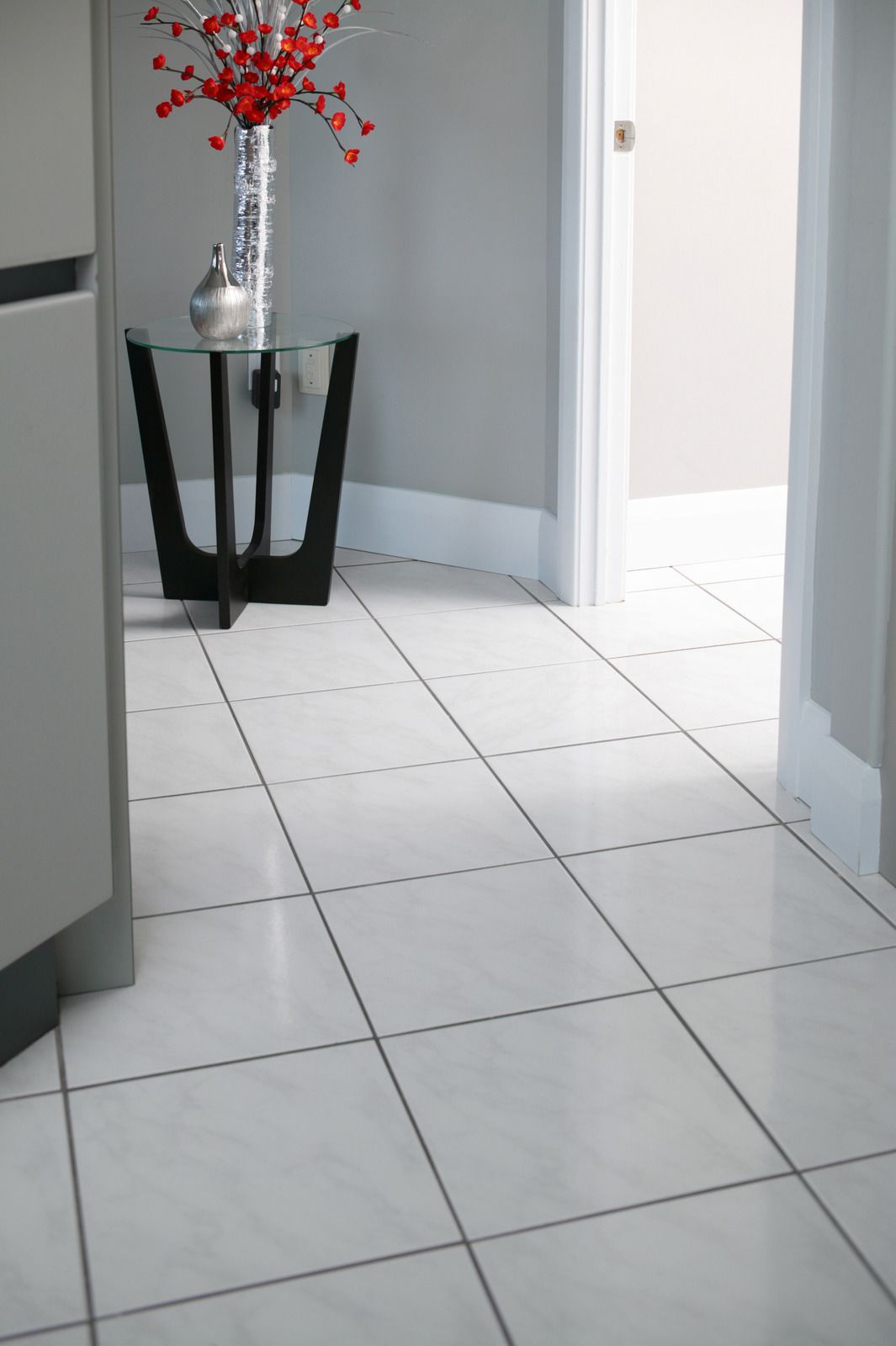
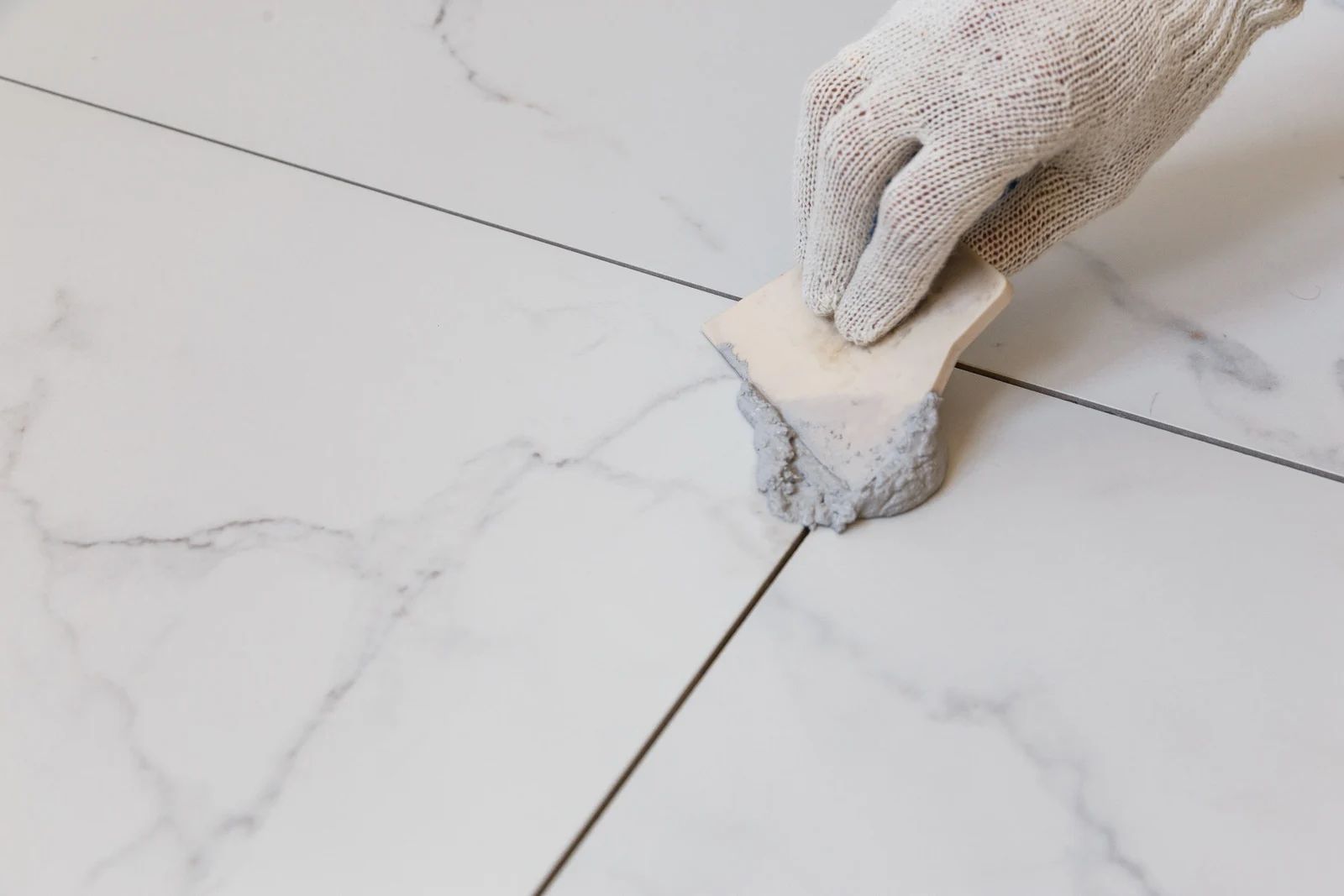
Grout lines affect both aesthetics and maintenance. Narrow grout lines create a modern, sleek appearance, whereas wider lines can add texture and definition. Color contrast between grout and tiles can either highlight patterns or create a more uniform look.
Expert Tip: Light-colored grout enhances brightness but may require more frequent cleaning, while darker grout hides stains but can subtly alter tile color perception.
3. Balancing Aesthetics and Functionality
Coordinating with Design Elements
Tiles should harmonize with existing design elements such as cabinetry, countertops, and wall colors. Consider both color and texture when selecting tiles to ensure cohesive design. For instance, a glossy finish may complement modern spaces, while matte textures suit rustic or industrial interiors.
Scenario Example: A white marble-look porcelain tile pairs beautifully with dark wood cabinets and gold hardware in a kitchen remodel.
Slip Resistance and Safety
Safety is paramount, particularly in bathrooms, kitchens, and outdoor areas. Tiles are rated for slip resistance using the Coefficient of Friction (COF). A higher COF indicates a more slip-resistant surface, which is essential for homes with children, elderly residents, or wet environments.
Expert Tip: Choose tiles with textured or matte surfaces for wet areas to reduce the risk of slipping. Avoid overly polished tiles in bathrooms unless paired with rugs or mats.
Durability and Maintenance
Durability varies across tile types. Porcelain and stone tiles withstand heavy traffic, while softer ceramics may chip over time. Maintenance is another consideration—natural stone requires sealing, while ceramic and porcelain are easier to clean.
Best Practice: For high-traffic areas, prioritize durability and stain resistance. For decorative spaces, aesthetics may take precedence.
4. Considering Installation and Cost Factors
Installation Complexity
Tile installation complexity depends on size, material, and layout. Large-format tiles and natural stone may require professional installation due to specialized cutting and leveling requirements. DIY-friendly options include vinyl, laminate, and standard ceramic tiles.
Scenario Example: Installing herringbone marble tiles in a bathroom requires precision and expertise, making professional help essential to achieve a flawless finish.
Cost Considerations
Tile prices vary widely, from budget-friendly ceramic tiles to premium natural stones. Beyond material costs, consider installation, grout, underlayment, and potential waste. Labor costs for professional installation can sometimes exceed material costs, particularly for complex layouts or heavy tiles.
Expert Tip: Establish a budget that includes both materials and labor. Factor in long-term maintenance costs when evaluating different tile options to ensure value for money.
Long-Term Investment
Quality tiles can increase property value and reduce maintenance costs over time. Investing in durable, visually appealing materials provides a long-lasting, functional, and stylish finish.
5. Environmental and Sustainability Factors
Eco-Friendly Materials
Sustainable tile options are increasingly important for environmentally conscious homeowners. Recycled glass, porcelain, and ceramic tiles are widely available and reduce environmental impact without compromising quality or design.
Scenario Example: Recycled glass mosaic tiles can add a unique aesthetic to kitchens or bathrooms while supporting sustainable construction practices.
Energy Efficiency and Indoor Air Quality
Some tiles help regulate indoor temperature due to their thermal mass, contributing to energy efficiency. Additionally, choosing low-VOC adhesives and sealants ensures healthier indoor air quality.
Expert Tip: Confirm that the tile manufacturer follows environmentally friendly practices, such as low-energy production methods and reduced water usage.
Longevity and Waste Reduction
Investing in long-lasting tiles reduces the need for frequent replacements, minimizing waste and environmental footprint. Durable materials like porcelain, stone, and high-quality ceramic have lifespans extending decades.
6. Making the Final Decision
Prioritize Key Requirements
List your project priorities: durability, aesthetics, budget, maintenance, and safety. Rank each factor to guide your selection process.
Scenario Example: A family with children may prioritize slip-resistant, low-maintenance porcelain tiles over luxury natural stone.
Sample Testing
Obtain samples and test them in the intended space. Assess color, texture, and how they react to lighting throughout the day. This step prevents surprises after full installation.
Professional Consultation
Consulting tile experts or interior designers can provide valuable insights regarding trends, durability, and best practices. Professionals can also recommend materials that fit both aesthetic and functional needs.
Expert Tip: Take into account both current design trends and timeless styles to ensure your choice remains appealing for years.
Transforming Homes With Informed Tile Selection
Choosing the right tile for replacement or installation projects involves balancing aesthetics, durability, functionality, and budget considerations. By understanding different materials, evaluating tile size and layout, considering safety and maintenance, accounting for installation complexities, and factoring in environmental sustainability, homeowners can make informed decisions that enhance both beauty and practicality. Each decision, from tile type to pattern and grout selection, contributes to the overall success and longevity of a project.
For homeowners and businesses in Charlotte, NC, The Groutsmith
offers over 10
years of expertise in tile cleaning, sealing, and installation. Our team specializes in providing tailored recommendations, ensuring that every tile project—whether a simple replacement or full installation—achieves optimal aesthetics, durability, and functionality. With a commitment to precision, quality, and client satisfaction, The Groutsmith
stands as a trusted authority in the tile industry, guiding customers through every step of the process. Partner with us to transform your spaces with confidence and long-lasting beauty.