

Restoring the Beauty of Your Floor: Groutsmith’s Proven Cleaning & Sealing Process
Floors are the foundation of any space, both literally and aesthetically. Over time, even the most well-maintained tile floors can lose their luster due to accumulated dirt, stubborn stains, and worn grout. Homeowners and business owners alike often underestimate the transformative power of professional floor cleaning and sealing. The right process can revive the original beauty of your floors, improve hygiene, and protect your investment for years to come. Understanding how to effectively restore tile and grout surfaces is essential for anyone looking to maintain a clean, polished, and welcoming environment.
Professional grout and tile restoration goes far beyond simple surface cleaning. While regular mopping or commercial cleaning products may provide temporary improvement, they rarely address the deeper issues hidden in grout lines or porous tile surfaces. That’s where an expert process makes all the difference. By combining deep cleaning, precise stain removal, and advanced sealing techniques, floors not only regain their visual appeal but also their durability. This guide explores the proven methods used by professionals to clean and seal floors, detailing the benefits, challenges, and best practices for achieving long-lasting results that elevate both residential and commercial spaces.
1. Understanding the Importance of Professional Floor Restoration
Why Regular Cleaning Isn’t Enough
Routine cleaning keeps floors looking tidy but often falls short of addressing deep-seated dirt and discoloration in grout. Over time, oils, spills, and debris accumulate in porous grout lines, leading to dark stains that regular mops or detergents cannot remove. Without proper intervention, these stains not only affect the visual appeal of your floor but also harbor bacteria and allergens.
Long-Term Benefits of Restoration
Professional floor restoration restores more than just appearance. Cleaning and sealing extend the life of your tile surfaces by preventing deterioration and reducing wear. This is particularly critical in high-traffic areas such as kitchens, bathrooms, and commercial spaces, where consistent foot traffic can accelerate grout damage. By investing in proper restoration, homeowners and businesses protect their flooring investment while ensuring a safer, cleaner environment.
Real-World Scenario
Consider a restaurant kitchen with white ceramic tiles. Despite daily mopping, the grout lines darken, affecting hygiene and presentation. Professional restoration lifts the embedded grime, restores the original color, and applies a protective sealant, maintaining a visually appealing and sanitary surface even under heavy use.
2. The Groutsmith Cleaning Process: Deep and Precise
Step 1: Assessment and Inspection
Professional restoration begins with a thorough assessment. Experts evaluate the type of tile and grout, identify stains, damage, and areas requiring special attention. This step ensures that the appropriate cleaning agents and techniques are selected for optimal results.
Step 2: Pre-Treatment and Stain Removal
Pre-treatment involves applying specialized cleaning solutions that penetrate deep into grout lines and tile surfaces. For stubborn stains such as rust, mildew, or food spills, targeted treatments break down residues without damaging the tiles. Experts rely on industry-grade tools and solutions that are safe for both the flooring material and the surrounding environment.
Step 3: Deep Scrubbing and Extraction
Using high-precision equipment, technicians scrub and extract dirt from grout lines. This process goes beyond surface cleaning, removing embedded contaminants that cannot be accessed through regular methods. High-pressure water extraction and mechanical agitation are often employed to restore the grout’s original texture and color.
Step 4: Tile Surface Enhancement
After grout cleaning, tiles themselves may receive further attention, including polishing or additional stain treatments. This ensures uniformity and enhances the overall aesthetic of the flooring. Tiles regain their natural shine while the grout lines appear refreshed and consistent.
Expert Insight
Professional cleaning processes rely on the right balance of technique and chemical application. Overuse of harsh chemicals can erode grout or damage tile surfaces, while insufficient cleaning leaves behind persistent stains. Experts tailor solutions to each floor type, ensuring longevity and optimal visual appeal.
3. The Sealing Process: Protecting Your Floor Investment
Why Sealing Matters
After deep cleaning, grout lines remain porous and vulnerable. Sealing fills these pores, creating a barrier against moisture, dirt, and stains. This protective layer significantly reduces the frequency of future deep cleanings and prevents discoloration caused by spills or environmental factors.
Types of Sealants
Professionals use different types of sealants based on floor material and usage patterns. Penetrating sealants soak into the grout and tile, providing long-lasting protection without altering the appearance. Topical sealants form a surface layer, enhancing shine while also protecting against stains. Selecting the right type of sealant is critical for durability and aesthetics.
Application Techniques
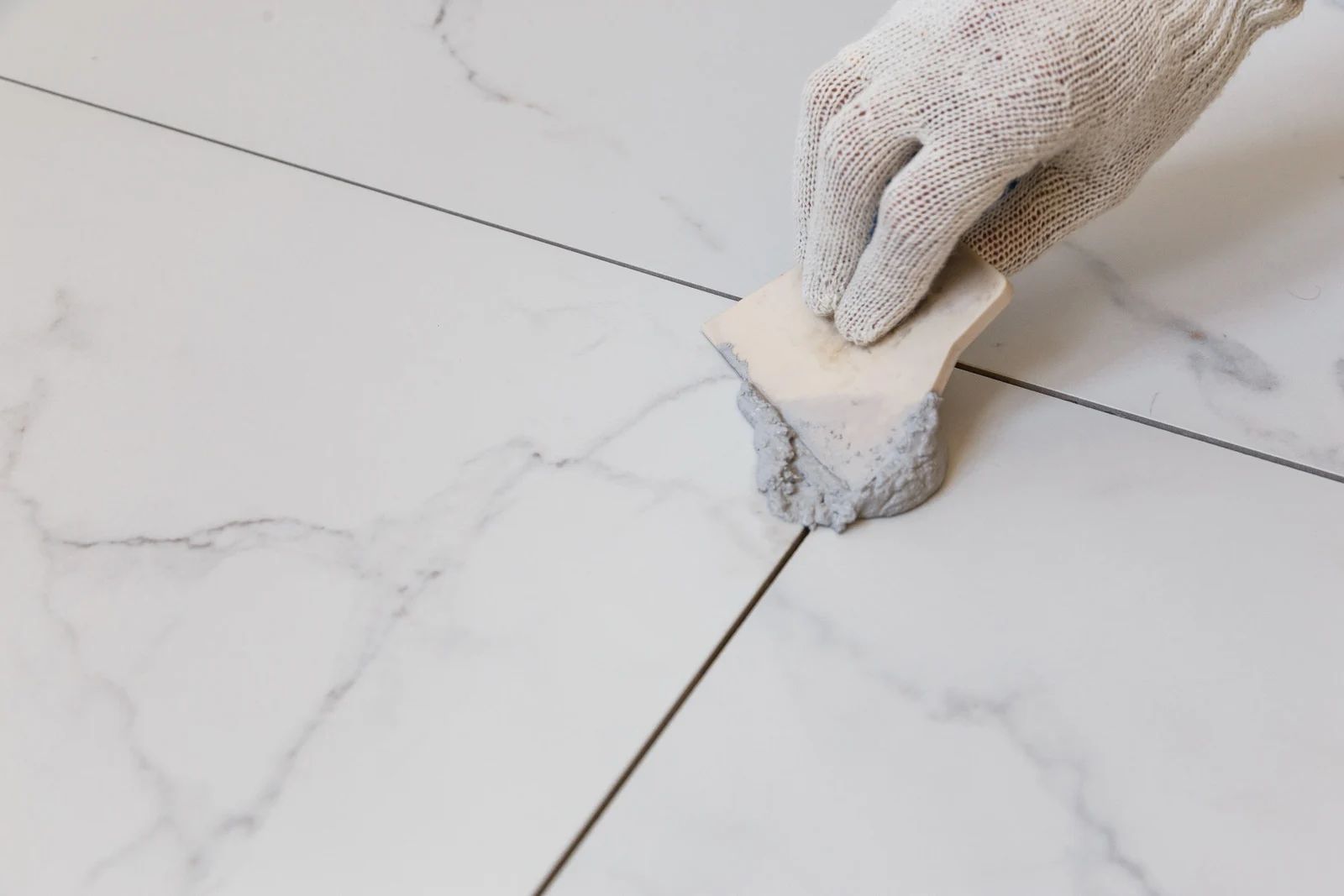
Sealing requires precision. Experts ensure grout lines are completely dry before application, then evenly coat surfaces to avoid streaking or pooling. Multiple layers may be applied depending on the floor’s porosity and traffic level. Proper application guarantees that the protective barrier is effective and long-lasting.
Maintenance Benefits
Sealed floors are easier to clean and maintain. Spills wipe away effortlessly, and dirt has less opportunity to penetrate grout lines. In commercial spaces, this reduces labor costs and enhances hygiene standards, while in residential settings, it maintains a clean and attractive living environment.
4. Addressing Common Challenges in Floor Restoration
Stubborn Stains and Discoloration
Certain stains, such as wine, coffee, or mold, penetrate deeply into grout and tile pores. Addressing these requires specialized treatments, patience, and precision. Professionals may use a combination of chemical and mechanical processes to restore uniform color without damaging the surface.
High-Traffic Areas
High-traffic zones present unique challenges, including accelerated wear and rapid accumulation of dirt. Restoration strategies include targeted cleaning, durable sealants, and reinforcement methods to maintain both appearance and structural integrity under frequent use.
Delicate or Antique Tiles
Some tile types, such as natural stone or vintage ceramics, require gentle handling. Abrasive tools or harsh chemicals can cause irreparable damage. Restoration experts assess the material carefully, selecting mild but effective methods to ensure longevity while preserving the original charm.
Environmental and Safety Considerations
Professional floor restoration also considers environmental impact and safety. Using eco-friendly cleaning solutions, proper ventilation, and safe handling techniques minimizes health risks and reduces negative environmental effects. This approach ensures that restoration is both effective and responsible.
5. Best Practices for Maintaining Restored Floors
Routine Cleaning Strategies
Maintaining restored floors requires consistent, gentle cleaning. Using pH-neutral cleaners and microfiber mops prevents damage to grout and tiles. Regular sweeping removes abrasive debris that can scratch surfaces and reduce the lifespan of sealants.
Prompt Stain Management
Addressing spills immediately prevents long-term staining and reduces the need for aggressive future cleanings. Stains that are left to set may penetrate grout lines, making them more challenging to remove even with professional techniques.
Periodic Professional Maintenance
Even well-maintained floors benefit from periodic professional attention. Scheduled maintenance ensures that grout remains protected, sealants are refreshed as needed, and tiles retain their original shine. Experts can identify early signs of wear or damage, preventing costly repairs in the long term.
Educating Occupants
In commercial spaces, educating staff about proper cleaning practices helps maintain the benefits of professional restoration. Residential homeowners can also benefit by understanding the do’s and don’ts of caring for their specific tile and grout types.
6. Real-World Examples of Transformation
Residential Flooring Success
A homeowner with a 15-year-old kitchen faced yellowed grout and dull tiles. After professional cleaning and sealing, the tiles regained a polished finish, and grout lines appeared nearly new. The process restored the kitchen’s visual appeal, increased its resale value, and simplified everyday cleaning.
Commercial Spaces and Hygiene
A busy healthcare facility required deep restoration to maintain hygiene standards. Stubborn stains and heavy foot traffic had compromised grout integrity. Following the professional process, floors were not only visually appealing but also easier to sanitize, improving overall patient and staff safety.
Long-Term Investment Returns
Investing in professional cleaning and sealing proves cost-effective over time. Floors maintain their structural integrity and aesthetic appeal, reducing the need for premature replacements. Whether residential or commercial, restoration extends the life of flooring and enhances the value of the property.
7. Choosing the Right Floor Restoration Expert
Credentials and Experience
Selecting a knowledgeable and experienced provider is critical. Credentials, years of practice, and client testimonials offer insight into a company’s capability to deliver consistent, high-quality results.
Customized Solutions
Every floor is unique. Experts who assess individual flooring needs and create tailored cleaning and sealing plans achieve better results than generic approaches.
Technology and Techniques
Advanced equipment, high-quality cleaning agents, and precision application techniques ensure optimal restoration. Companies that invest in modern tools and ongoing staff training often produce superior results compared to those relying on outdated methods.
Customer Service and Follow-Up
Reliable restoration services include post-service guidance and support. Proper maintenance advice, follow-up checks, and warranty options provide reassurance and help clients maintain their restored floors effectively.
Maximizing Lifespan And Appeal Of Your Flooring Investment
For over a decade, The Groutsmith in Charlotte, NC, has been dedicated to helping homeowners and businesses restore and protect their flooring investment. With 10 years of experience, the team combines expert knowledge with precision techniques to deliver exceptional results. Whether it’s stubborn grout stains, worn tile surfaces, or high-traffic commercial areas, we provide tailored solutions that meet the unique needs of every client.
Using industry-leading tools, safe cleaning agents, and advanced sealing methods, We ensure floors regain their original beauty while achieving long-lasting protection. Their commitment to quality, attention to detail, and professional service has earned the trust of countless clients in Charlotte and surrounding areas. Beyond restoring visual appeal, The Groutsmith emphasizes hygiene, durability, and overall floor maintenance, helping clients enjoy cleaner, healthier, and more attractive spaces. Choosing us means partnering with a reputable, experienced authority in floor restoration who delivers consistent, reliable, and transformative results.